

Game design plays a far more influential role in gambling outcomes than most players realize. While luck will always be a major factor, the way a game is structured determines how often you win, how much you win, and how long you tend to keep playing. Modern casino games—both online and offline—use a combination of psychology, mathematics, and technology to shape the player experience. Understanding these design elements helps you make more informed decisions and avoid falling into patterns that reduce your long-term chances of success. By learning how these systems work, you gain more control over your gameplay, your budget, and your expectations.
Another important aspect of game design is how it encourages certain behaviors. Features such as near-misses, progression bars, and visual feedback are intentionally crafted to keep players engaged. Although these mechanics don’t directly change the probabilities, they absolutely change how players perceive their chances. When you understand the difference between perception and reality, you can approach casino games with clearer judgment and a healthier, more strategic mindset.
How Visual and Sound Design Influence Player Decisions
Game designers rely heavily on sensory stimulation to shape how players behave. Bright colors, flashing animations, and celebratory sound effects make even small wins feel exciting. These elements keep players emotionally invested, which often leads to longer playing sessions. The brain responds strongly to these cues, generating small dopamine spikes that create a sense of anticipation. Although the rewards may be modest, the sensory reinforcement makes them feel more significant.
In online casinos, visual design also guides where your attention goes. Certain buttons, such as “Spin Again” or “Max Bet,” are deliberately highlighted to encourage repeat bets. Interface designers use placement and lighting to make specific actions feel natural. Understanding this helps you identify when the game is nudging you in a particular direction rather than letting you make fully independent choices. By recognizing these psychological triggers, you can maintain better control over your gameplay and avoid impulsive decisions.
Why Randomness Isn’t as Random as It Seems
Most modern casino games use Random Number Generators (RNGs), but their results are shaped by deeper mathematical probabilities. While every spin or hand is independent, the long-term payout rate is carefully programmed. This is known as Return to Player (RTP), and it determines what percentage of wagers the game will pay back over millions of plays. Even when the outcome feels unpredictable, the game operates within strict statistical boundaries that ensure the casino’s long-term advantage.
This principle becomes particularly important in games like slots, where volatility varies widely. Some slots offer frequent small wins, while others provide rare but larger payouts. Designers choose these patterns based on the type of experience they want to create. High-volatility games feel thrilling, but they can drain your bankroll quickly. Low-volatility games feel steadier but may not provide the dramatic wins some players seek. Knowing how these mechanics work helps you choose games that match your risk tolerance and playing style.
The Role of Game Mechanics in Shaping Outcomes
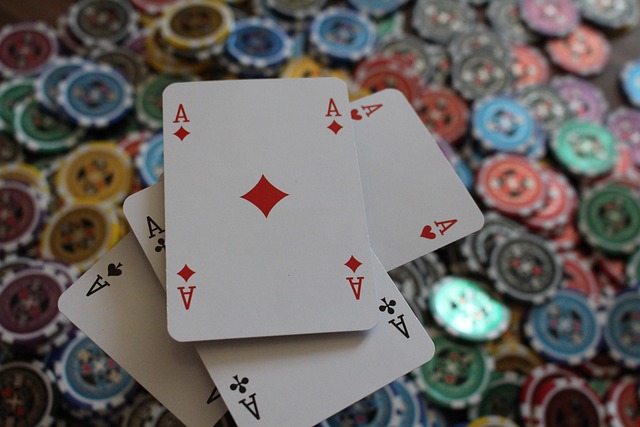
Game mechanics influence how players perceive their chances of winning. Features such as mini-games, bonus rounds, and multipliers create moments of excitement, but they don’t necessarily increase your actual odds. Often, these additions are balanced by reducing payouts elsewhere in the game. While the experience becomes more enjoyable, the underlying math still ensures that the house retains its advantage over time.
Another key mechanic is the use of near-misses, especially in slot games. A near-miss happens when the symbols appear close to forming a winning combination. This triggers a psychological response that encourages players to continue. Game designers use these moments strategically because they create emotional tension, even though they have no actual impact on future outcomes. When players understand these mechanics, they become better at identifying when excitement is being manufactured rather than earned through genuine opportunity.
How Game Design Shapes Your Perception of Control
Many casino games create an illusion of control, even when the outcome is almost entirely based on chance. For example, allowing players to choose between several treasure chests or spin a bonus wheel makes them feel involved in the process. However, the game determines the result the moment the bonus triggers. The player’s choice simply reveals an outcome that has already been decided. This design strategy increases engagement but does not change the underlying probabilities.
Skill-based elements in hybrid games add a different layer. While players can influence certain aspects of the outcome, the casino still sets parameters that protect its advantage. Even in games that appear to reward skill, the house ensures long-term profitability through structural design. Recognizing which parts of a game offer genuine control helps you avoid overestimating your influence on the results.
Making Smarter Game Choices Through Design Awareness
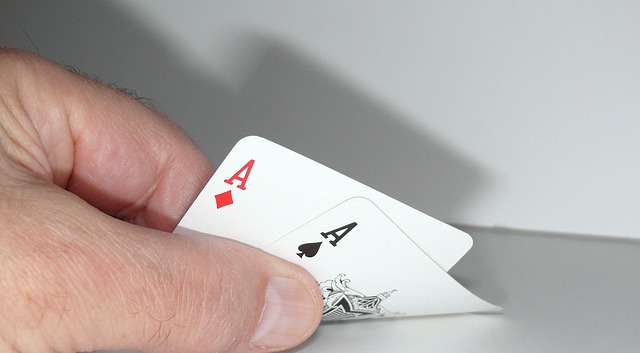
Understanding game design allows you to choose experiences that align with your budget and expectations. When you know how payout structures, volatility, and sensory elements work, you can approach games more strategically. Instead of being guided by instinct or excitement, you make decisions rooted in awareness. This leads to healthier gambling habits and a more enjoyable, controlled experience.
By paying attention to the systems behind the visuals, sounds, and mechanics, you take back some of the power that games are designed to influence. The more you understand the architecture of casino games, the better equipped you become to manage your bankroll, avoid impulsive behavior, and select games that enhance your enjoyment without compromising your financial stability.






Leave a Reply