

Slot machines have transformed dramatically since their earliest versions appeared in the late 19th century. What began as a simple mechanical device with physical reels has become one of the most advanced forms of digital entertainment in the gambling world. Each generation of slot machines introduced new technology, new gameplay styles, and new ways of keeping players engaged. Understanding this evolution helps explain why modern slots feel so different from their early counterparts.
Today’s video slots combine design, mathematics, and software to create fast, visually rich experiences. Yet despite the technological leap, the core idea has remained the same: a player pulls a lever or presses a button and hopes the symbols align. By exploring how these machines changed over time, you gain a clearer picture of how game design developed and why certain features exist today.
The Mechanical Era and the First Reels
Early slot machines relied entirely on gears, springs, and rotating drums. Their design was simple: three reels, a few symbols, and a fixed payout structure. These machines were limited, but they introduced concepts that still define slots today. Players appreciated the straightforward gameplay and the tactile feel of the lever and reels. The physical movement created a sense of anticipation that became central to the experience.
Mechanical slots also had strict limitations. Payout combinations were few, odds were predictable, and machines could not support large jackpots. Casinos appreciated their reliability, but the mechanical design made innovation difficult. The impact of this era is still seen in classic-style machines that mimic the original look and feel. Players who enjoy simplicity often gravitate toward these retro formats because they offer a slower, more predictable pace.
The Introduction of Electromechanical Systems
In the mid-20th century, slot machines began incorporating electrical components while still keeping physical reels. This allowed designers to add features that mechanical systems couldn’t support. Lights, sounds, and automated payouts became common. These additions made the machines more engaging and allowed casinos to create stronger visual presence on gaming floors.
Electromechanical slots also enabled more complex reel configurations. Designers could add more symbols and adjust probabilities in ways mechanical gears couldn’t handle. Bonus features began to appear, though early versions were modest. This blend of old and new set the stage for digital innovation by proving that players responded positively to increased stimulation and variety.
The Shift to Digital and Video Slots
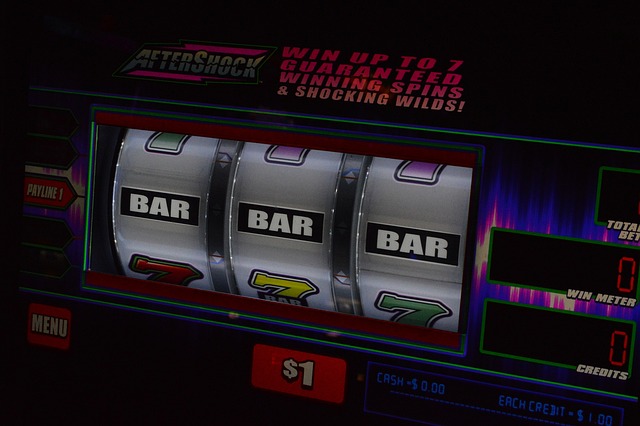
The real transformation occurred when slot machines moved from physical reels to fully digital screens. Video slots eliminated mechanical constraints entirely. Instead of limited reel space, designers could create dozens of symbols, animated sequences, and advanced bonus games. The change also introduced random number generators (RNGs), which allowed for precise control over probability and long-term payout structures.
Video slots quickly became dominant because they offered richer experiences and flexible themes. From branded entertainment to fantasy adventure, the visual possibilities expanded dramatically. Sound design also evolved, reinforcing wins and near-misses with tailored audio feedback. This era marked the beginning of modern slot psychology, where engagement and immersion became as important as the mechanics themselves.
Key Differences Between Mechanical and Video Slots
Before diving deeper into modern systems, it helps to compare the two main eras. The differences show how technology influenced both player experience and casino operations.
- Mechanical slots rely on physical parts; video slots rely entirely on software.
- Video slots support more symbols, paylines, and bonus features.
- RNGs make modern probabilities more flexible and customizable.
- Mechanical slots offer tactile engagement; video slots offer visual depth.
The Rise of Online and Mobile Slot Gaming
When casinos moved online, slot machines adapted quickly. Digital formats were already well-established, making the transition smooth. Online slots expanded the possibilities further by removing physical space limitations. Developers could introduce multi-reel, multi-layer, and interactive features that wouldn’t fit in a traditional cabinet. The result was a surge in creativity and experimentation.
Mobile gaming accelerated this trend. Players now expect fast loading, simplified interfaces, and short-session gameplay. Developers tailor online slots to these habits, using minimal controls and bold visuals to keep attention focused. The accessibility of mobile platforms also widened the audience, making slots one of the most popular forms of digital gambling worldwide.
What Modern Slot Design Prioritizes Today
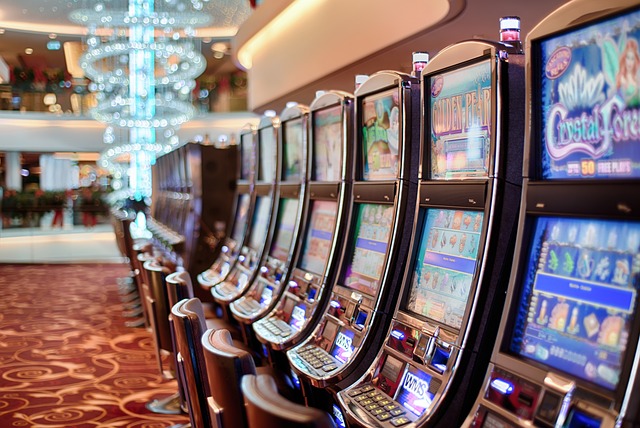
Modern slot design focuses on engagement, pacing, and personalization. Features like cascading reels, free-spin modes, expanding symbols, and interactive bonuses are all engineered to keep sessions interesting. Algorithms also help modulate pacing so that players experience a mix of wins and near-wins. These systems don’t change the long-term probabilities but shape how outcomes feel moment to moment.
Another priority is theme diversity. Designers craft games around mythology, movies, travel, and abstract concepts to appeal to different player types. Visual quality has reached cinematic levels, and sound design often matches the polish of modern video games. Slots have become entertainment-first products rather than simple gambling tools, and this shift defines where the industry is heading.
Summary Table: Key Milestones in Slot Evolution
| Era | Technology Level | Key Innovations |
|---|---|---|
| Mechanical Reels | Purely mechanical | First reels, simple payouts |
| Electromechanical | Mixed mechanical/electric | Lights, sounds, automated systems |
| Video Slots | Fully digital | RNGs, animations, bonus games |
| Online/Mobile Slots | Internet/mobile platforms | Multi-layer games, massive themes |





Leave a Reply