

Let’s be honest: if Nostradamus were alive today, he wouldn’t be predicting plagues and royal tragedies—he’d be forecasting who’s going to take the next League of Legends tournament. And he’d probably do it with a laptop, not a crystal ball. The modern prophet doesn’t wear a robe; they wear gaming headphones. Welcome to a world where statistics and sorcery collide—where eSports bettors are using AI simulations to peek into the future of gaming.
Betting by Algorithm, Not Intuition
Old-school sports bettors still rely on gut feeling, experience, and maybe one “lucky” jersey they refuse to wash. But eSports bettors? They’re busy coding. They feed machine learning models with huge datasets: champion win rates, starting strategies, map picks, player reflex speeds, patch updates, and even keyboard input timing. Yes, someone actually studied how fast a pro player clicks per minute to predict match outcomes. Meanwhile, I still type with two fingers and spell-check everything.
This level of nerdy brilliance has turned eSports betting into something closer to quantitative finance. These bettors don’t hope for a win. They calculate it. They run simulations—thousands of them—before placing a single bet. It’s the same mindset hedge fund quants use to invest millions. Except here, the prize isn’t stock returns—it’s predicting if Team Vitality’s bot lane will survive the first five minutes.
When AI Predicts the Game Better Than Humans
Let’s say you want to predict the outcome of a Dota 2 match. AI simulations use things like lane matchups, item builds, patch meta shifts, drafting flexibility, and player synergy. They simulate not one game, but hundreds. Each time, they randomize how the opponent might respond. It’s like playing chess against yourself a million times, except one version of you always buys the wrong boots.
This is no longer fandom. It’s engineering.
Some bettors even create custom mini-versions of the game engine to run faster-than-real-time projections. Imagine a tiny League of Legends world running on a hacked version of reality, like a digital time machine where you can fast-forward your mistakes, fix them, and then bet with flawless confidence.
Many seasoned bettors who explore AI predictions trust platforms with live stats, data tools, and multiple eSports betting markets. For example, 22Bet Ghana is known for offering fast markets and detailed odds for major tournaments.
It provides flexible betting options for MOBA and FPS fans, along with smooth deposits, withdrawals, and live match tracking.
The Secret Sauce: Data Most People Don’t Even Notice
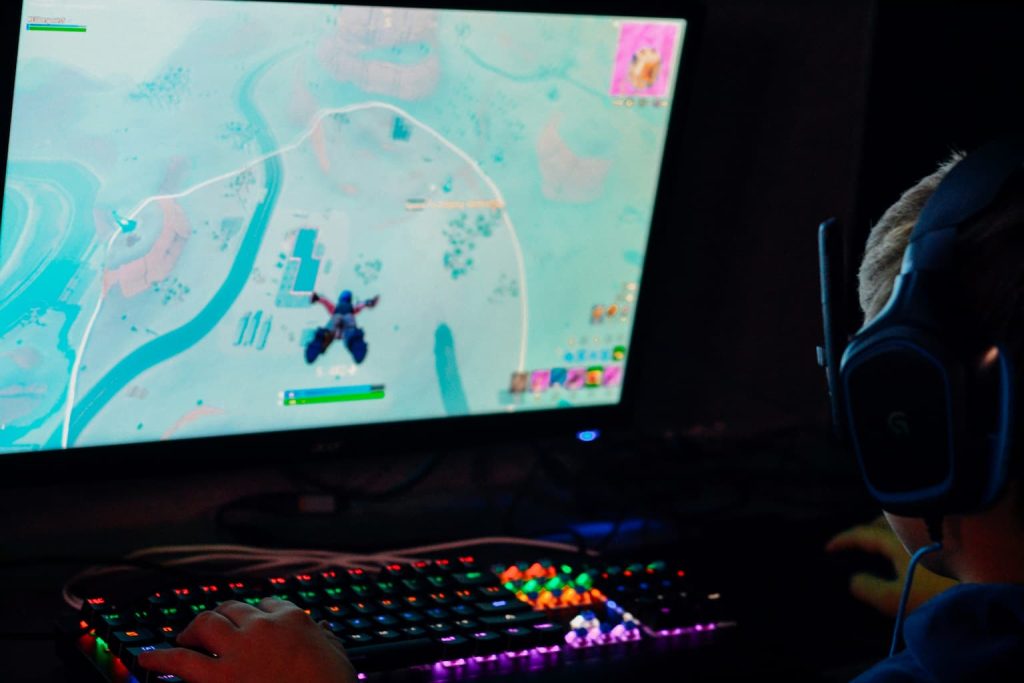
Here’s the beauty of AI: it picks up trends the human mind would simply ignore. Patch 14.4 might have reduced a character’s attack range by 1%. “So what?” you say. But AI knows that 1% forces a different early-game strategy… which changes item purchases… which changes late-game tempo… which changes who actually wins the match. That’s the difference between a defeated bettor and someone eating celebratory pizza.
And it’s not just about hero nerfs or buffs. AI measures team psychology, such as how aggressive certain players get after losing a round. It tracks if a CS:GO player performs worse after switching mouse sensitivity. It analyzes how fatigue affects reaction time in the sixth hour of LAN tournaments. It’s creepy. It’s brilliant. It’s the future.
Human Instinct Meets Cyber Prophecy
Of course, even the smartest model can’t predict when a player accidentally pulls their headphone cable, sneezes mid-fight, or forgets to buy an item before a crucial battle. That’s where human intuition enters the game. The best bettors combine math with madness. They trust the numbers, but they also trust that weird things happen on the internet.
The Future of eSports Betting? Smarter, Not Luckier
As AI simulations evolve, eSports betting grows into a high-tech mind game where luck is shrinking fast. Soon, bettors might simulate full tournaments before they happen. Maybe they’ll even test alternate worlds where players choose different characters. Parallel universes—not for philosophy majors, but for bettors.
If you thought betting was a game of chance, think again. In eSports, fantasy doesn’t just meet reality—it predicts it. And the future? It’s coded, calculated, and refreshingly nerdy.



Leave a Reply